

Across the country, towns and cities are discovering that the vitality of a place is often measured not by grand civic monuments but by the smell of good food drifting through a market square. Councils that once focused solely on roads, bins and planning permissions are now recognising that a thriving street food scene can be one of the most powerful tools for building community pride, attracting visitors and supporting local businesses. This shift from purely administrative governance to genuine culinary stewardship is transforming how residents experience their own neighbourhoods.
The essentials
- Local councils are increasingly viewing thriving street food scenes as essential tools for boosting community pride, tourism, and local economic growth.
- Successful culinary destinations are built on active citizen participation and governance that reflects genuine local character rather than top-down templates.
- Lichfield serves as a model by fostering an environment where street food vendors can grow into permanent, successful businesses through flexible licensing and affordable support.
- Strategic urban planning, including zoning and outdoor seating allowances, is necessary to transform public spaces into vibrant, sustainable culinary destinations.
- Street food markets act as modern social hubs that foster community interaction and reflect the diverse cultural identities of local residents.
- Local food establishments often become points of civic pride that strengthen neighbourhood identity more effectively than traditional marketing campaigns.
- Integrating food offerings with local sports and cultural events creates a virtuous cycle that enhances community connection and economic resilience.
Municipal Leadership and the Rise of Street Food Culture
Good governance starts with listening, and the most successful local authorities have understood that citizen participation is not a box-ticking exercise but the foundation of a liveable city. When a mayor and council actively invite feedback from residents about what their high streets and public squares should feel like, the result is often a food culture that reflects genuine local character rather than a generic template imposed from above. Lichfield offers a fine example of this principle in action, having quietly built a reputation as an unexpected foodie destination. The city now boasts two Michelin-starred establishments, with The Boat joining Upstairs by Tom Shepherd, which earned its star back in 2022, and this culinary ambition has trickled down to street level too.
The council’s role in supporting independent food vendors
What makes Lichfield’s story compelling is not simply the presence of fine dining but the way street food vendors have been given room to grow into permanent fixtures of the local economy. Patty Freaks is a case in point, having started life as a humble street food stall before securing a physical location thanks to sustained local support. This kind of trajectory rarely happens by accident. It requires a council willing to ease the path for small traders, whether through flexible licensing, affordable market pitches or simply a willingness to champion these businesses publicly. Councillor Richard Holland has pointed out that Lichfield’s appeal to culinary talent partly stems from rents considerably lower than those in larger cities, giving chefs and entrepreneurs the breathing space to experiment without the crushing overheads found elsewhere.

Creating policy frameworks that enable culinary entrepreneurship
Behind every successful food stall lies a policy environment that either enables or stifles ambition. Local authorities that want to nurture a genuine culinary scene need to think carefully about zoning, outdoor seating allowances and the practicalities of running a food business from a temporary structure. This is where the connection between governance and gastronomy becomes most apparent, since councils that treat hospitality as a strategic sector rather than an afterthought tend to see the greatest returns in terms of footfall and local business support. It is worth noting that this approach also aligns with broader academic thinking on the subject, with researchers such as José Antonio Ondiviela García, Jaime Mateo López and Aurora López Fernández examining how gastronomy functions as a form of cultural expression that shapes tourism, city branding and economic development across a comparative sample of 175 cities worldwide.
Building community connections through street food markets
Markets have always been gathering places, but street food has given this old tradition a distinctly modern twist. Rather than simply selling produce, today’s food stalls create informal social spaces where neighbours bump into one another, families linger over shared meals, and newcomers find an easy way to feel part of the community. Lichfield’s food scene reflects this beautifully, with restaurants representing Korean, Thai, Italian, Japanese, Ukrainian and Spanish cuisines all contributing to a rich tapestry of flavours that mirrors the diversity of the people who live there.
Street Food as a Catalyst for Social Interaction and Neighbourhood Identity
Local food businesses such as Mangia Mangia and Ukrainian Sunflower demonstrate how a single stall or restaurant can become a point of pride for an entire neighbourhood, strengthening urban identity in ways that formal civic branding rarely achieves. When residents rally behind a local eatery, they are not just supporting a business; they are affirming a shared sense of place. This kind of grassroots enthusiasm is difficult to manufacture through marketing campaigns alone, which is precisely why councils that recognise and nurture organic community support tend to see far more sustainable results than those relying on top-down initiatives.
Integrating Food Stalls with Local Sports and Cultural Events
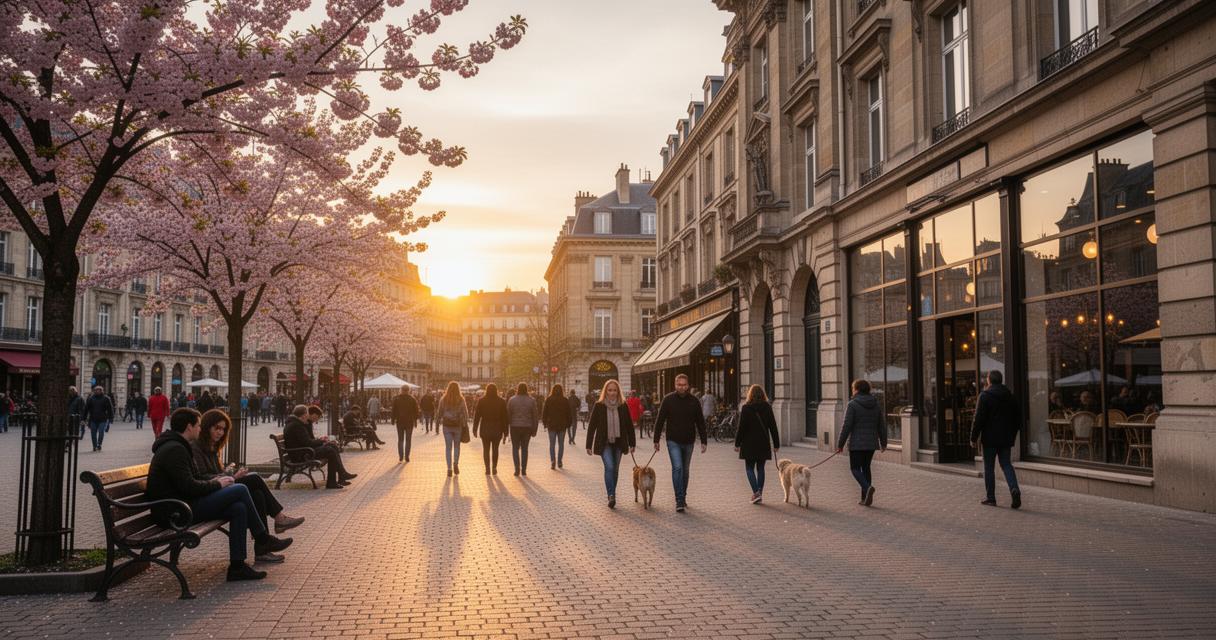
Sports fixtures, festivals and cultural celebrations provide natural opportunities to showcase street food, and many councils have started weaving culinary offerings into these events as a matter of course. A match day or a community fair becomes richer when paired with the aroma of sizzling street food, and this pairing helps build the networks of support and camaraderie that make community life feel genuinely connected. Investment in sports associations often goes hand in hand with investment in the food stalls that surround them, creating a virtuous cycle where healthy lifestyles and social inclusivity reinforce one another.
Transforming public spaces into vibrant culinary destinations
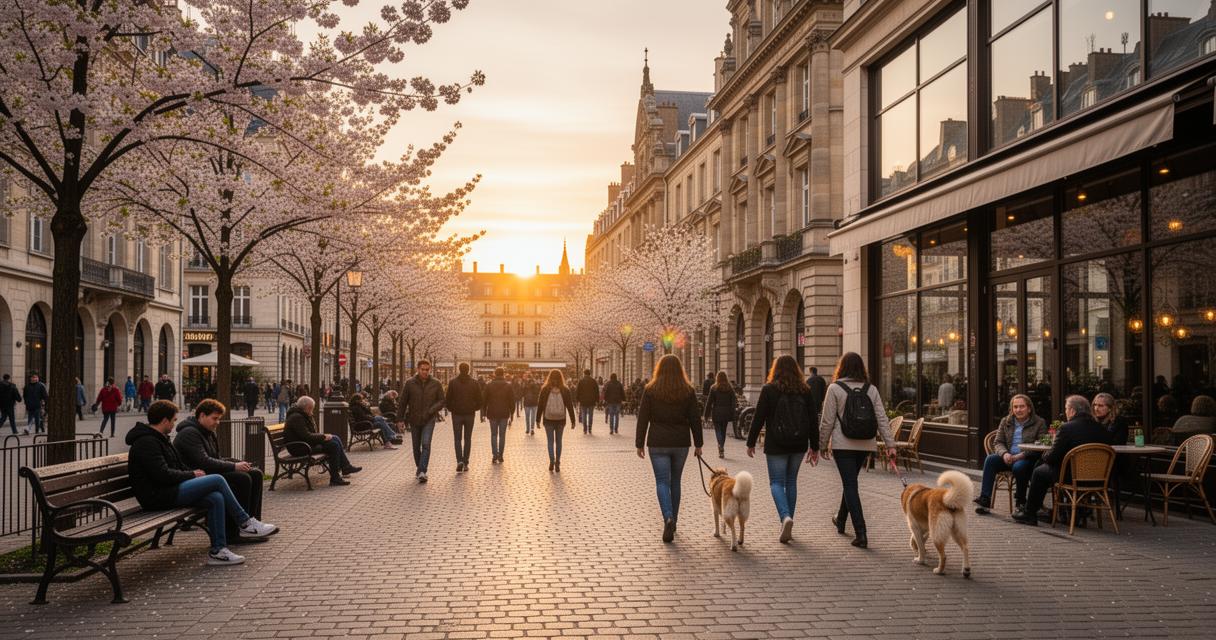
Public squares and market spaces do not become culinary destinations by chance. They require deliberate investment, careful planning and a willingness on the part of local authorities to treat food infrastructure with the same seriousness given to any other civic project. Lichfield’s eateries have continued to thrive even as the wider hospitality sector struggles nationally, a resilience that speaks volumes about the strength of local support and the quality of the offering on the ground.
Strategic Investment in Market Infrastructure and Facilities
Practical improvements such as better lighting, weatherproof stalls, accessible seating and reliable utilities can make an enormous difference to whether a street food market succeeds or fades away. Councils that commit funding to these unglamorous but essential facilities give vendors the confidence to invest in their own businesses, knowing the surrounding infrastructure will not let them down. This kind of sustainable development approach ensures that culinary success is not fleeting but built on solid foundations that can weather economic uncertainty.
Attracting Visitors and Boosting the Local Economy Through Food Tourism
Food tourism has become a genuine economic driver for towns willing to embrace it, and Lichfield’s affluent population has shown itself more than willing to support and travel for excellent dining experiences. Visitors drawn by a Michelin star often stay to explore the street food stalls and independent restaurants nearby, spreading their spending across the wider local economy rather than concentrating it in a single venue. This ripple effect is precisely what makes gastronomy such a strategic asset for city branding, offering councils a relatively low-cost way to boost tourism while simultaneously strengthening cultural authenticity and civic pride among the very residents who call these places home.