
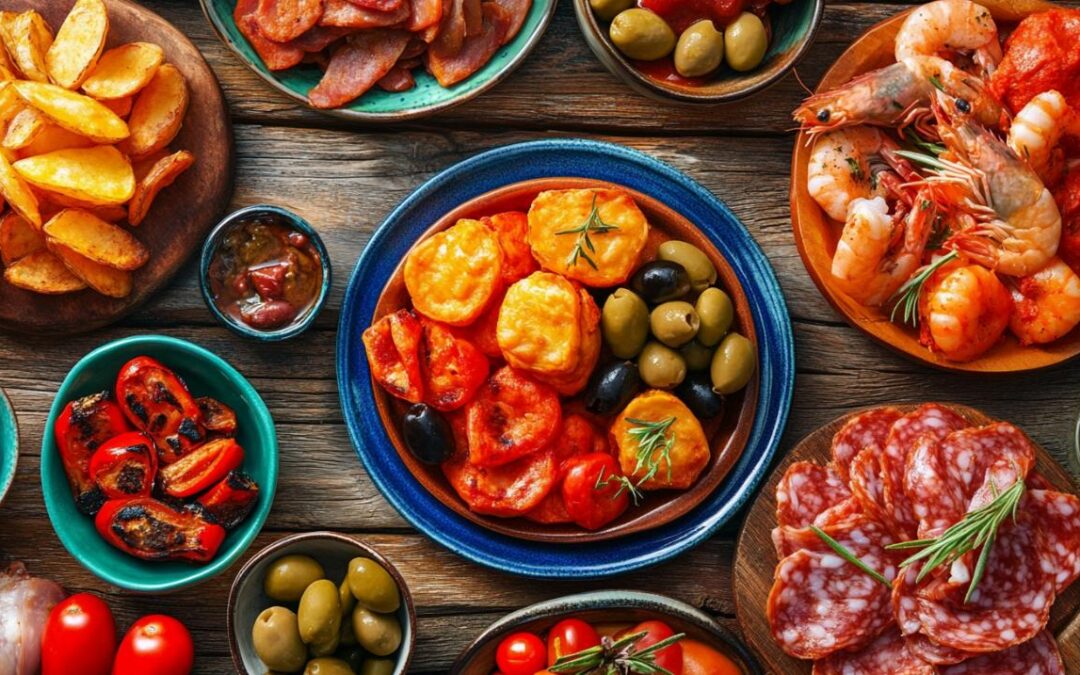
Spanish cuisine has long captivated food enthusiasts around the world with its vibrant flavours, regional diversity, and social dining traditions. At the heart of this culinary landscape lies the beloved tradition of tapas, those small plates that invite shared conversation and discovery. Whether you are seeking to impress guests at your next gathering or simply wish to expand your repertoire in the kitchen, mastering the art of traditional Spanish tapas recipes offers a rewarding journey into a culture that celebrates quality ingredients, time-honoured techniques, and the joy of eating together.
Mastering classic spanish tapas techniques
The foundation of any great tapas dish rests upon a deep understanding of the cooking methods that define Spanish cuisine. Unlike the elaborate presentations found in contemporary fusion cooking, traditional Spanish tapas rely on straightforward techniques that highlight the natural character of each ingredient. Learning to perfect these methods is essential for anyone who wishes to bring authentic Spanish flavours into their home kitchen. From the gentle simmer of garlic-infused olive oil to the precise heat required for achieving a golden crust on fried delicacies, each technique serves a purpose in delivering the taste and texture that make tapas so memorable.
Essential cooking methods for authentic spanish flavours
One of the most fundamental techniques in Spanish cooking is the art of sautéing in olive oil, a method that forms the backbone of dishes such as gambas al ajillo. This simple yet transformative process involves heating generous amounts of high-quality olive oil and gently cooking prawns alongside garlic, chilli peppers, and peppercorns. The result is a fragrant, richly flavoured dish that showcases the purity of each component. Similarly, the technique of frying is central to preparing patatas bravas, where potato chunks are cut to an even size and fried until they achieve a crisp exterior while remaining tender inside. The secret lies in maintaining the correct oil temperature and allowing the potatoes to rest briefly after frying, ensuring they retain their satisfying crunch.
Another cornerstone of Spanish tapas is the preparation of tortilla española, a dish that requires patience and precision. The process begins with thinly slicing potatoes and cooking them slowly in olive oil until they soften without taking on too much colour. Beaten eggs are then gently folded into the warm potatoes, and the mixture is cooked over moderate heat, turning the omelette carefully to achieve an evenly set texture. Mastering this technique takes practice, but the reward is a dish that many consider to be Spain's national treasure. The balance of creamy potato and tender egg, bound together by the fruity notes of olive oil, exemplifies the elegance of Spanish home cooking.
Kitchen equipment every home cook needs for perfect tapas
While the techniques are essential, having the right tools in your kitchen makes the process of preparing tapas both easier and more enjoyable. A sturdy frying pan with a heavy base is indispensable for achieving even heat distribution, whether you are frying croquetas or searing beef for a savoury bite. A non-stick skillet proves particularly useful when cooking tortilla española, as it allows you to flip the omelette with confidence and minimal risk of sticking. Additionally, a reliable set of sharp knives is crucial for slicing vegetables, trimming meat, and preparing seafood with precision.
Beyond the basics, a few specialised items can elevate your tapas cooking. A mortar and pestle is invaluable for grinding spices and making traditional sauces, while a fine grater allows you to prepare fresh garlic and zest citrus with ease. For those who wish to explore the full range of Spanish tapas, investing in a quality paella pan opens up the possibility of creating seafood paella, a dish that requires even heat distribution and ample surface area. Meanwhile, a deep fryer or a heavy-bottomed pot is ideal for preparing fried calamari and boquerones fritos, ensuring the seafood is cooked quickly at the right temperature to achieve a light, crispy coating. With these tools at your disposal, you will be well-equipped to tackle a wide variety of tapas recipes with confidence and skill.
Time-Honoured Spanish Tapas Recipes to Try at Home
Once you have familiarised yourself with the techniques and assembled the necessary equipment, the next step is to explore the rich repertoire of traditional spanish tapas recipes. These dishes reflect the diverse culinary heritage of Spain, from the sun-drenched coasts of Andalusia to the verdant landscapes of Galicia. Each recipe tells a story of regional ingredients, local customs, and the communal spirit that defines Spanish dining. By preparing these time-honoured dishes, you not only hone your cooking skills but also gain a deeper appreciation for the culture and history that shape Spanish cuisine.
Savoury Bites: From Patatas Bravas to Gambas al Ajillo
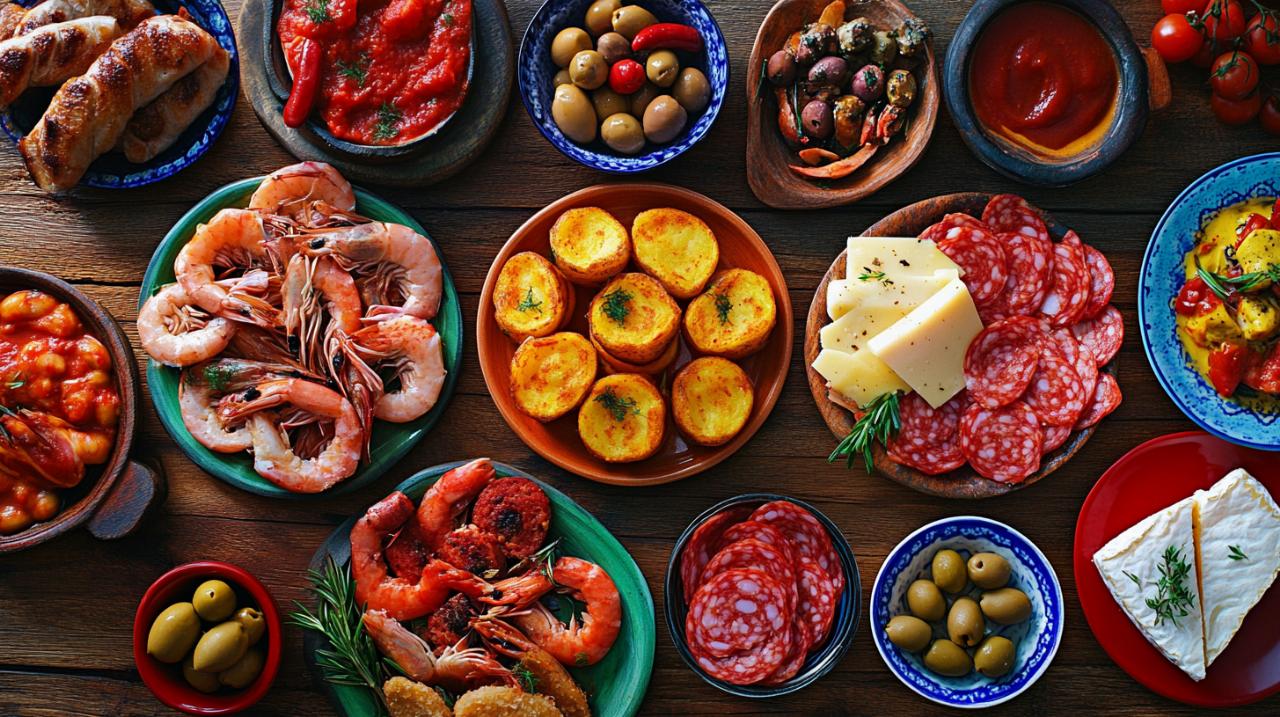
Among the most iconic tapas, patatas bravas stand out for their bold flavours and satisfying texture. This dish features fried potato chunks served with a spicy tomato-based sauce and often a drizzle of creamy aioli. The potatoes should be cut into uniform pieces to ensure even cooking, and the sauce can be adjusted to suit your taste, whether you prefer a mild smokiness or a fiery kick. The beauty of patatas bravas lies in its versatility, making it a favourite for both casual gatherings and more formal occasions.
Equally beloved is gambas al ajillo, a dish that epitomises the simplicity and elegance of Spanish cooking. Fresh prawns are sautéed in olive oil with plenty of sliced garlic and a hint of chilli, creating a fragrant and flavourful sauce that begs to be mopped up with crusty bread. The key to success is using the freshest seafood available and resisting the temptation to overcook the prawns, which should remain tender and juicy. This dish is best enjoyed hot, straight from the pan, and it pairs beautifully with a chilled glass of sherry or vermouth.
For those seeking a more substantial bite, ham and cheese croquetas offer a delightful combination of textures and flavours. These breaded and fried fritters are traditionally made with a creamy béchamel base enriched with finely chopped serrano ham or jamón ibérico and a touch of manchego cheese. The croquetas should be shaped into neat cylinders, coated in breadcrumbs, and fried until golden and crisp. When done correctly, the interior remains smooth and molten, contrasting beautifully with the crunchy exterior. Preparing croquetas requires a bit of time and patience, but the result is a tapas dish that never fails to impress.
Regional specialities that define spanish tapas culture
Beyond the well-known classics, Spain's regional specialities offer a wealth of flavours and techniques to explore. In Galicia, pimientos de padrón are a cherished delicacy. These small green peppers are fried in olive oil and sprinkled with sea salt, creating a simple yet addictive snack. The excitement lies in the fact that while most peppers are mild, an occasional one packs a surprising amount of heat, adding an element of playful unpredictability to the experience. Serving pimientos de padrón is a testament to the Spanish belief that the best dishes often require the fewest ingredients, provided those ingredients are of exceptional quality.
Andalusia contributes its own distinctive dishes, such as chorizo a la sidra, where spicy sausage is braised in cider until tender and infused with the sweet, tangy notes of the drink. This dish is often served with crusty bread to soak up the flavourful cooking liquid, and it exemplifies the rustic, hearty fare that characterises Andalusian cuisine. Another regional favourite is boquerones en vinagre, fresh anchovies marinated in vinegar and garlic. This cold tapas dish showcases the Spanish love of seafood and the art of preserving fish in simple yet flavourful preparations. The anchovies should be cleaned and filleted with care, then left to marinate until they take on a delicate, tangy flavour that pairs wonderfully with a crisp white wine or a glass of tinto de verano.
Central Spain offers its own contributions, including manchego cheese, a buttery sheep's milk cheese with a sweet, nutty flavour. Sliced thinly and served with a drizzle of honey or a handful of citrus and fennel marinated olives, manchego provides a sophisticated and satisfying tapas option. Empanadas, those pastries filled with a variety of ingredients ranging from spiced meat to vegetables and seafood, have a history that stretches back to the sixteenth century. Each region has its own variation, and experimenting with different fillings allows you to explore the breadth of Spanish culinary tradition. Whether you opt for a classic ham and cheese filling or venture into more adventurous territory with chorizo and piquillo peppers, empanadas are a versatile and crowd-pleasing addition to any tapas spread.
As you delve into these regional specialities, you will discover that traditional Spanish tapas recipes are not merely about following instructions but about embracing a philosophy of cooking that values quality, simplicity, and the pleasure of sharing good food with others. The techniques you master and the dishes you prepare will become a bridge to a culture that has perfected the art of turning everyday ingredients into extraordinary culinary experiences. With each dish you create, you honour the legacy of Spanish home cooks and professional chefs alike, and you bring a taste of Spain into your own kitchen, enriching your culinary skills and delighting those fortunate enough to share your table.