

When it comes to physical activity, the equipment you choose can make a substantial difference to both performance and wellbeing. Whether you are a seasoned athlete or simply keen on staying active, understanding the standards behind high-quality sports support is essential. From sports bras designed for extreme conditions to the technical details that govern their construction, the world of active support wear is far more sophisticated than it might first appear.
At a glance
- Advanced sports bras use patented technologies to minimize the vertical and horizontal accelerations that can damage sensitive breast tissue during high-impact movement.
- Proper support is crucial to protect Cooper’s ligaments, which are non-elastic and vulnerable to permanent damage from repetitive stress during intense physical activity.
- Effective sports bra design relies on precise engineering, including structured cups, reinforced panels, and strategic seams to provide stability without restricting natural movement.
- Selecting the correct size and fit through careful measurement and movement testing is essential, as even well-engineered garments fail if they do not match the wearer’s body shape.
- Modern performance fabrics are vital for comfort, utilizing moisture-wicking materials and breathable mesh panels to prevent chafing and manage sweat during prolonged exercise.
- Ergonomic features like the ‘Original Top Strap’ and adjustable bands ensure that tension is distributed evenly across the shoulders and back for optimal stability.
- Consumers should evaluate the long-term quality of support wear by examining stitching, the durability of elastic components, and the brand’s commitment to rigorous performance standards.
Understanding the innovation behind patented breast support
Modern sports science has transformed the way manufacturers approach breast support during physical activity. At the heart of this evolution lies a commitment to reducing the stresses placed on delicate tissue, and today’s leading designs draw on patented technologies that address these challenges with precision. Among the brands making significant strides in this space are Thuasne, alongside well-known names such as Adidas, Nike, Asics, Puma, and Under Armour, each bringing their own engineering expertise to the category.
Reducing vertical and horizontal accelerations during sport
One of the primary concerns in sports bra design is the management of movement. During high-impact activities such as running or jumping, breast tissue is subject to both vertical and horizontal accelerations that, over time, can cause discomfort and potentially damage the supportive ligaments. Advanced bra constructions are engineered to significantly reduce these forces, using structured cups, reinforced panels, and strategic seaming to limit unwanted motion in all directions. The result is a garment that moves with the body rather than against it, maintaining stability without restricting natural movement.
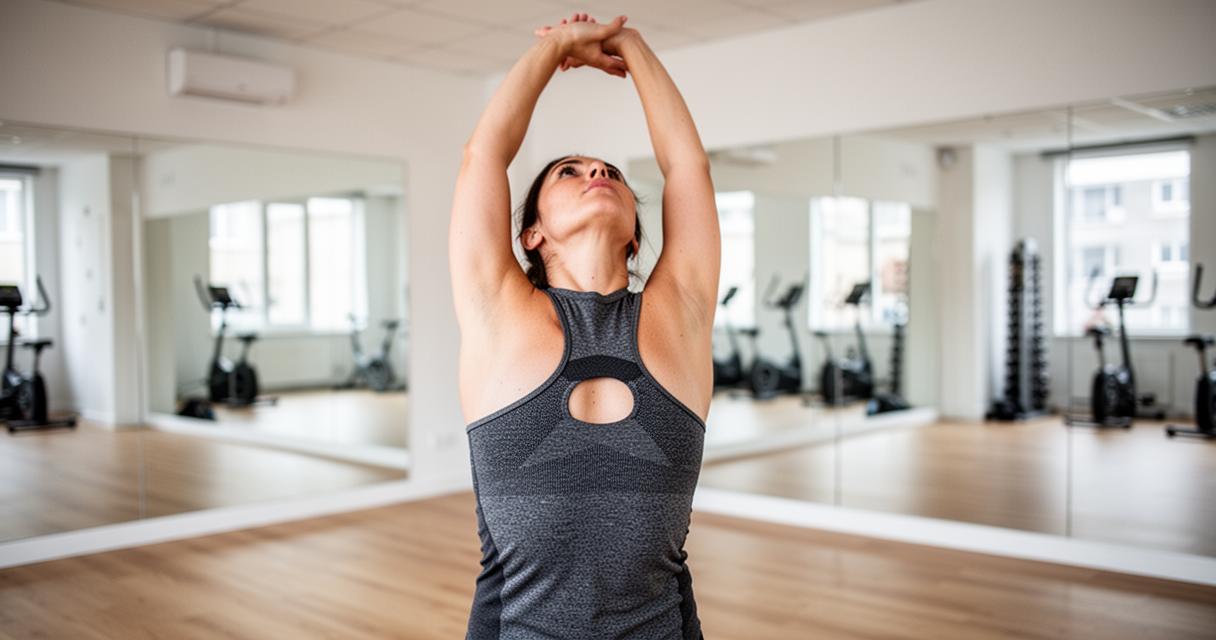
Protecting delicate chest tissue in high impact activities
Beyond managing acceleration, truly effective sports support must protect the chest during extreme sports and high-impact sessions alike. The Cooper’s ligaments (the connective tissue that gives breasts their shape) are not elastic in the way that muscles are, meaning that repetitive stress without adequate support can lead to lasting changes. Quality sports bras designed for intense workouts address this directly, using firm encapsulation or compression methods, or a combination of both, to cradle and stabilise the chest throughout the most demanding activities.
Selecting the Right Sports Bra and Size for Extreme Activities
Choosing the correct size and style of sports bra is as important as the technology built into it. An ill-fitting garment, however well-engineered, will fail to deliver the support it promises. It is worth taking the time to measure carefully and, where possible, try different styles to find the one that suits both your body shape and your chosen sport.
Evaluating Comfort and Fit for Moderate to Intense Workouts
For moderate activities such as yoga or walking, a lighter compression bra may suffice, but as the intensity increases (through cycling, team sports, or trail running) the demands on the bra change considerably. A well-fitted sports bra should feel snug without being restrictive, with straps that stay in place and a band that sits firmly without digging in. The back closure, whether hook-and-eye or racerback, plays a crucial role in distributing tension evenly, reducing pressure points and allowing for a full range of motion. Many women find that trying on a bra during a brief movement test (jumping gently or raising the arms overhead) quickly reveals whether the fit is truly adequate for their intended activity.
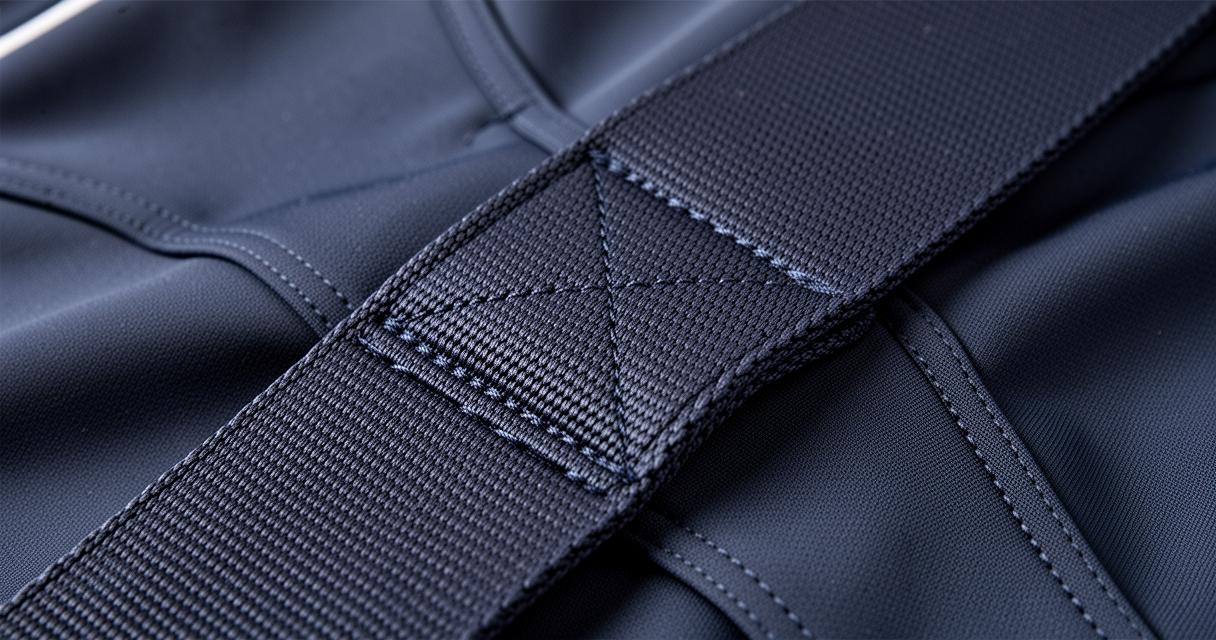
Managing moisture and sweat transpiration effectively
Technical fabric innovation has become just as important as structural design. During prolonged exercise, the body generates considerable heat, and moisture and sweat management become critical to comfort. Modern performance fabrics are engineered to wick moisture away from the skin, allowing it to evaporate quickly and keeping the wearer dry throughout their session. This is particularly relevant for women who train for extended periods or in warm conditions, where chafing and skin irritation can become genuine concerns. Breathable mesh panels and seamless constructions further enhance transpiration, making the bra not only supportive but genuinely comfortable to wear hour after hour.
Key Accessories and Features for Proper Back and Chest Support
A high-quality sports bra does not exist in isolation. The wider ecosystem of accessories and supporting products plays an important role in ensuring that active women have everything they need for a safe and comfortable workout. From gift cards to product bundles, many brands have recognised that customers appreciate the ability to explore a full range of support solutions.
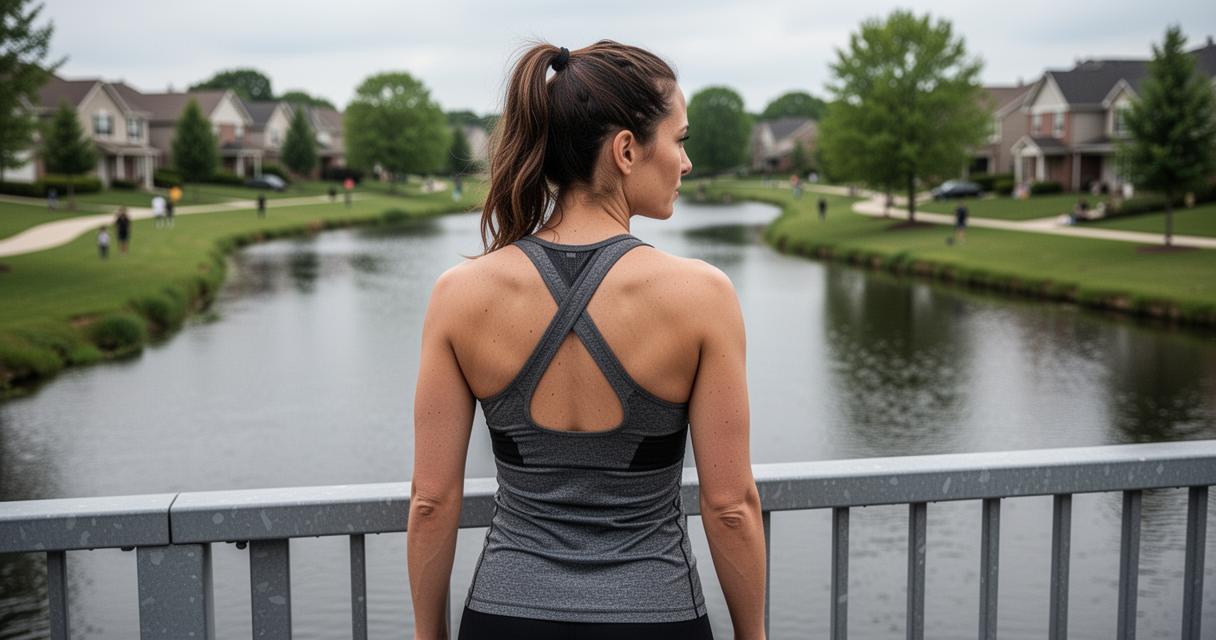
Designing ergonomic sports bras for optimal stability
Ergonomic design sits at the core of any truly effective sports bra. The positioning of the straps, the depth of the cups, and the width of the underband all contribute to a garment’s ability to provide stable, lasting support. Adjustable straps (a feature offered across price points by brands including Adidas and Nike) allow for a personalised fit that accommodates different torso lengths and shoulder widths. The Original Top Strap concept, which has gained considerable attention in the sports support community, reflects this emphasis on precision adjustment, ensuring that the load is distributed evenly across the shoulders and back rather than concentrated at a single point.
Balancing product quality and essential equipment details
When evaluating products in this category, it pays to look beyond headline features and examine the finer details. Stitching quality, the durability of elastic components, and the resilience of fabric after repeated washing all influence how well a bra performs over its lifespan. Brands such as Thuasne, which has built its reputation on medical-grade support solutions, bring a rigorous approach to product standards that is reflected in their sports range. Meanwhile, offerings from Asics and Puma demonstrate that performance credentials and accessible price points need not be mutually exclusive. For those exploring options across the market (whether browsing for themselves or searching for gifts) understanding these quality indicators makes it considerably easier to invest wisely in support wear that will genuinely serve its purpose over time. The EAZ and EVO lines, referenced within specialist circles, further illustrate how dedicated engineering can be applied to address the specific needs of active women at every level of sport.